
LUMIRing project lays first stone in Lisbon’s Metro: a groundbreaking step for global fiber innovation!
The LUMIRing project has officially launched with a ceremonial “first stone” event on July 24, marking the beginning of one of the most ambitious and innovative optical fiber testbeds ever deployed in a real-world environment. The groundbreaking initiated the construction of the duct that now connects Iscte’s Optical Communications Laboratory to Lisbon Metro’s Yellow Line. Completed on August 1, the construction of the duct represents the initial step to a global first: a 26-kilometer multicore fiber (MCF) ring installed within a complex underground transportation system, pushing the limits of current fiber optic technologies. This milestone stands as a strategic achievement not only for Iscte and the city of Lisbon—by integrating science and urban mobility—but also for Portugal and Europe, by positioning the country at the forefront of research in optical communications and next-generation digital infrastructures.

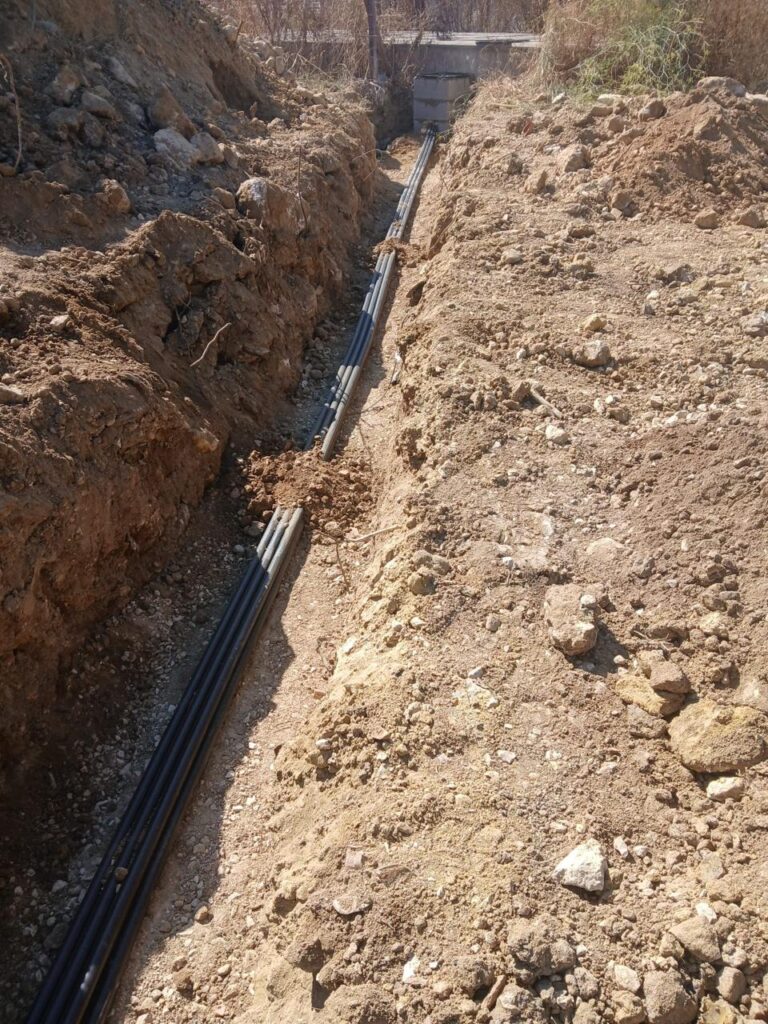
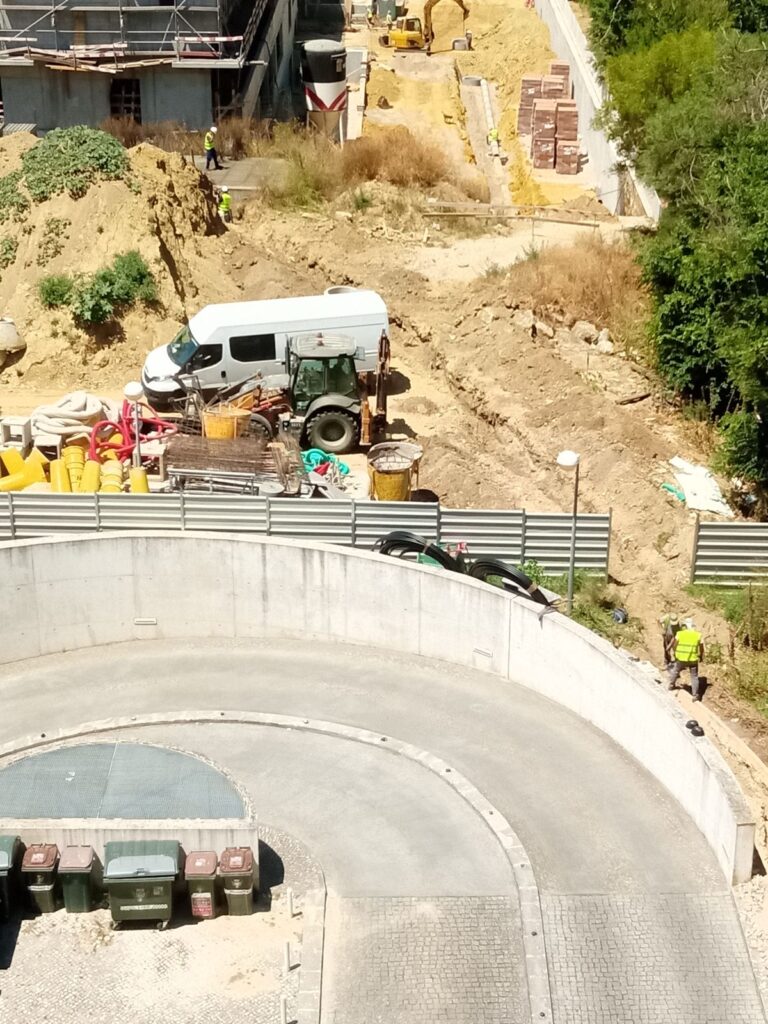
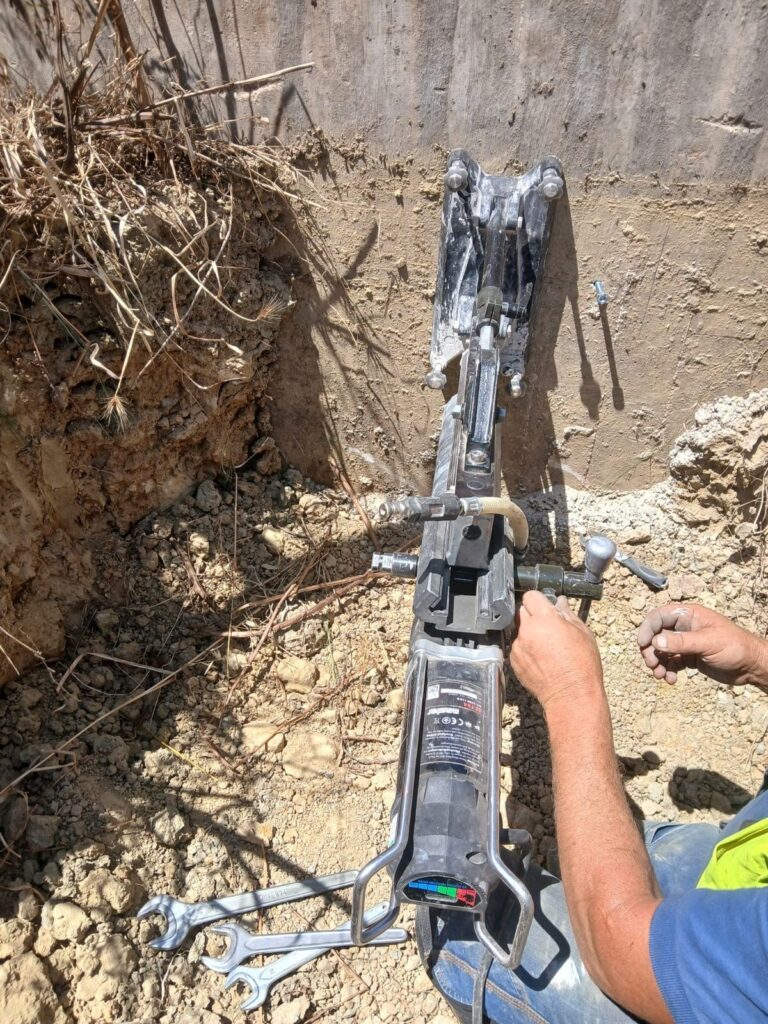
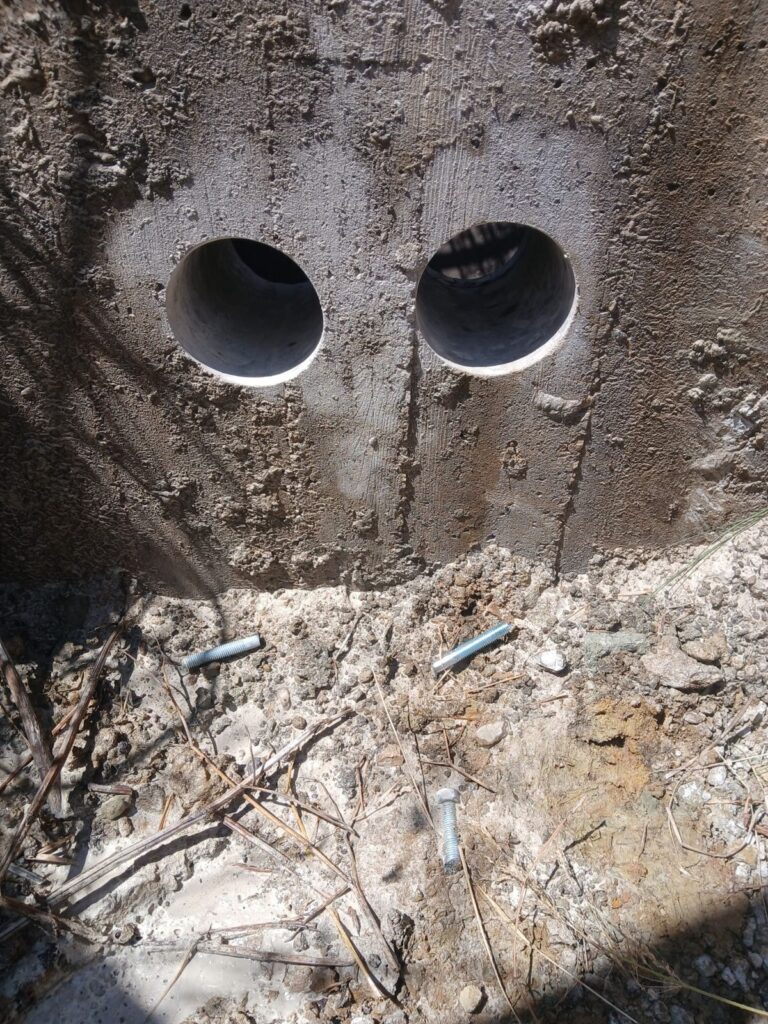
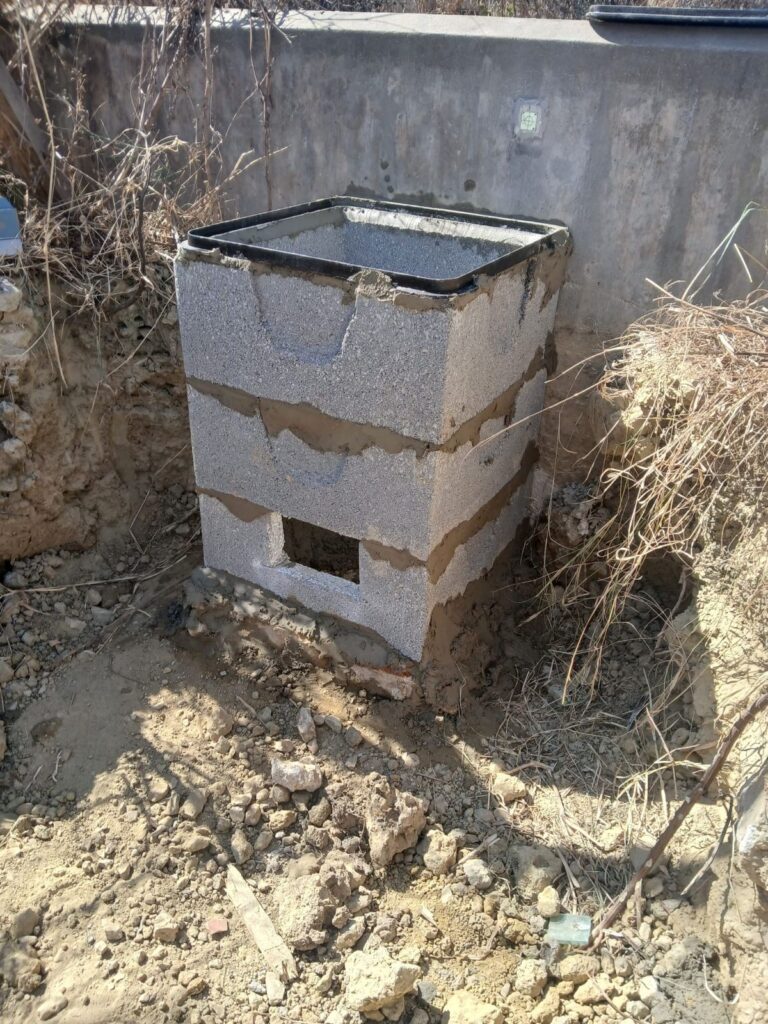
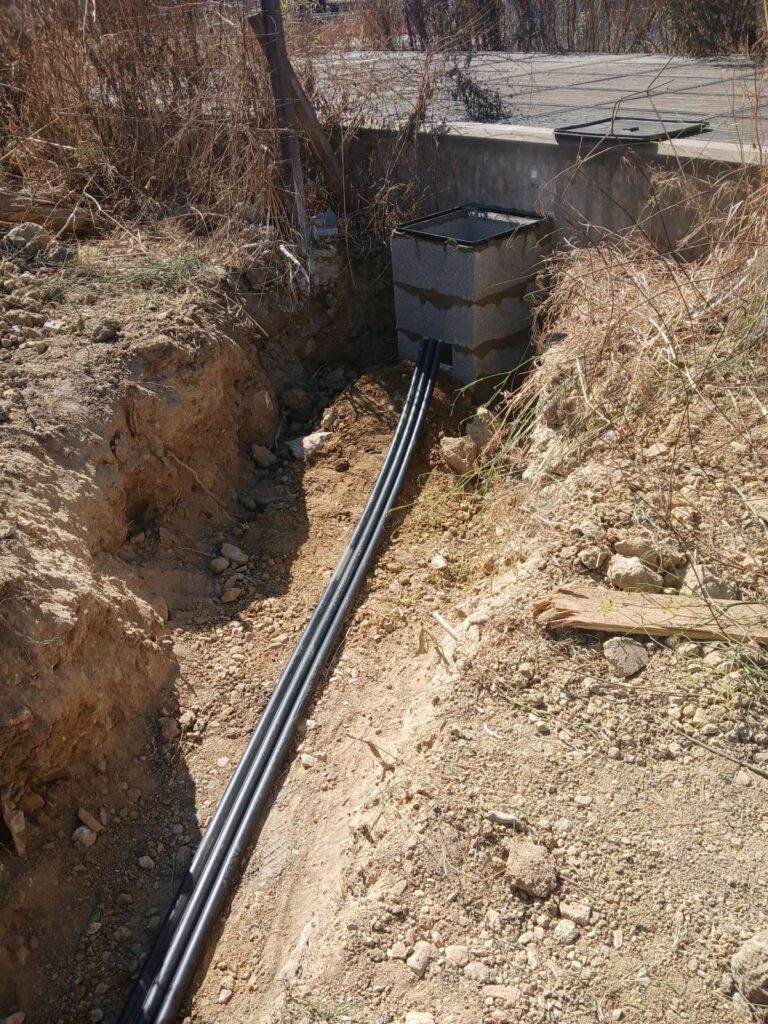
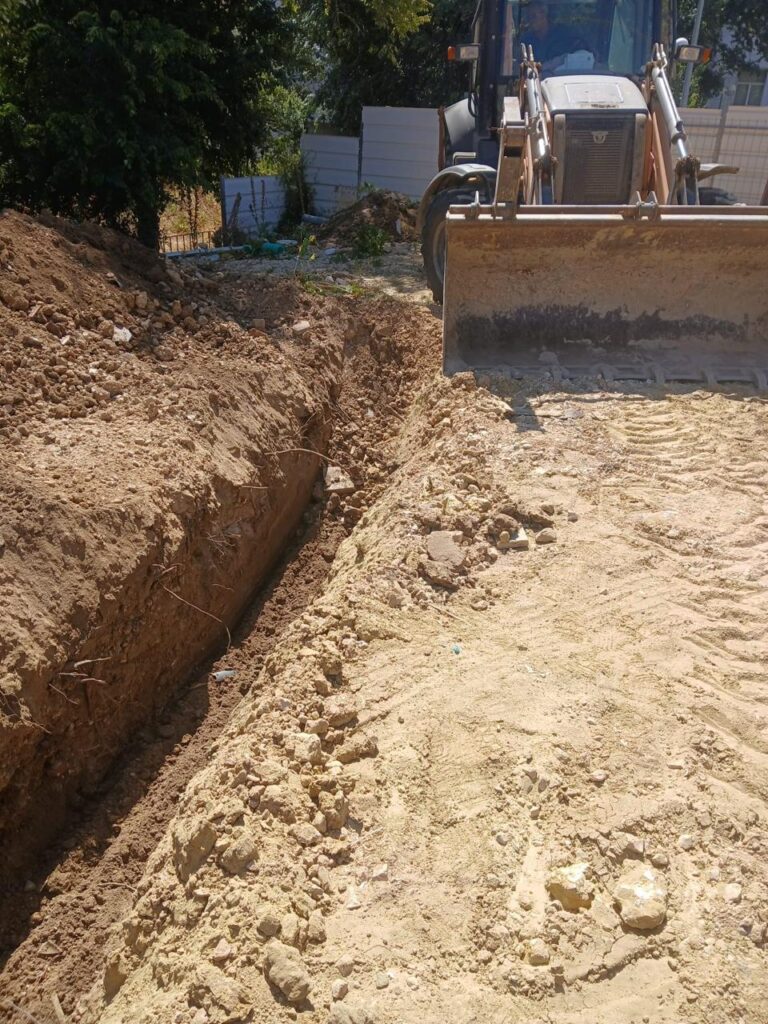
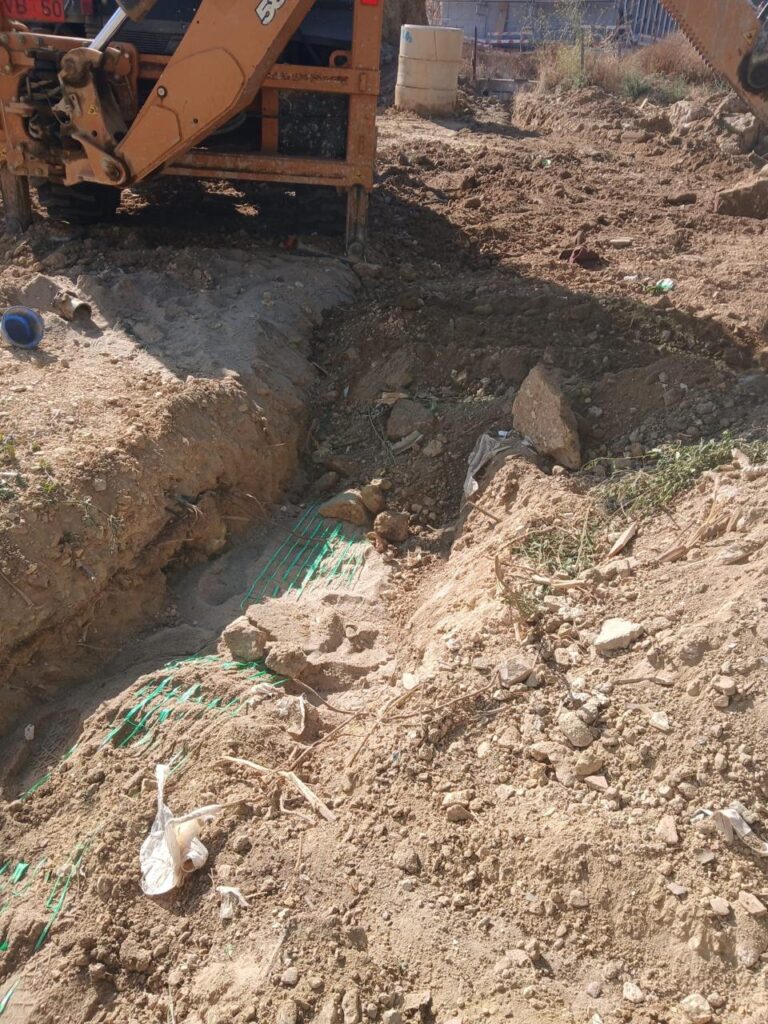

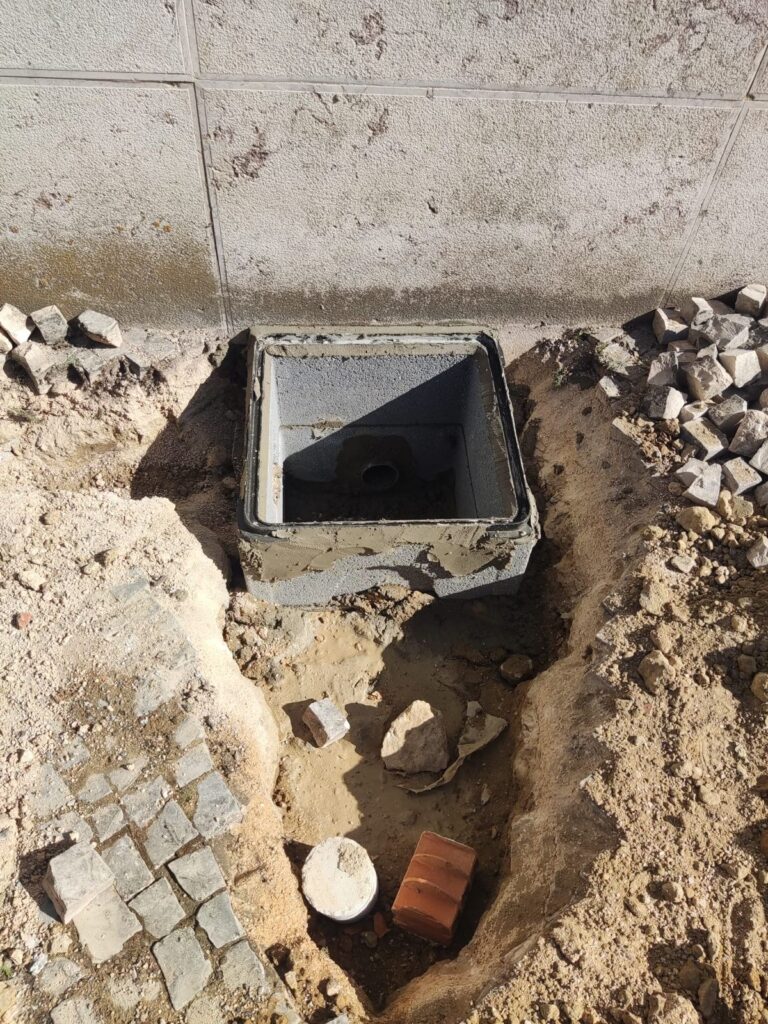
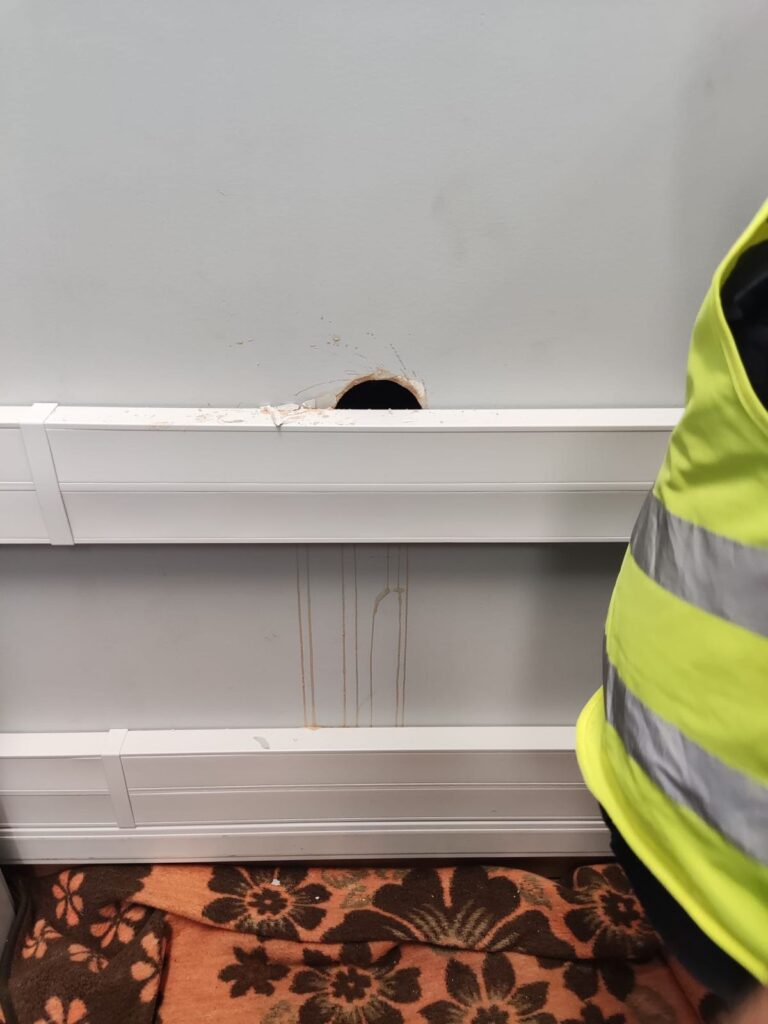
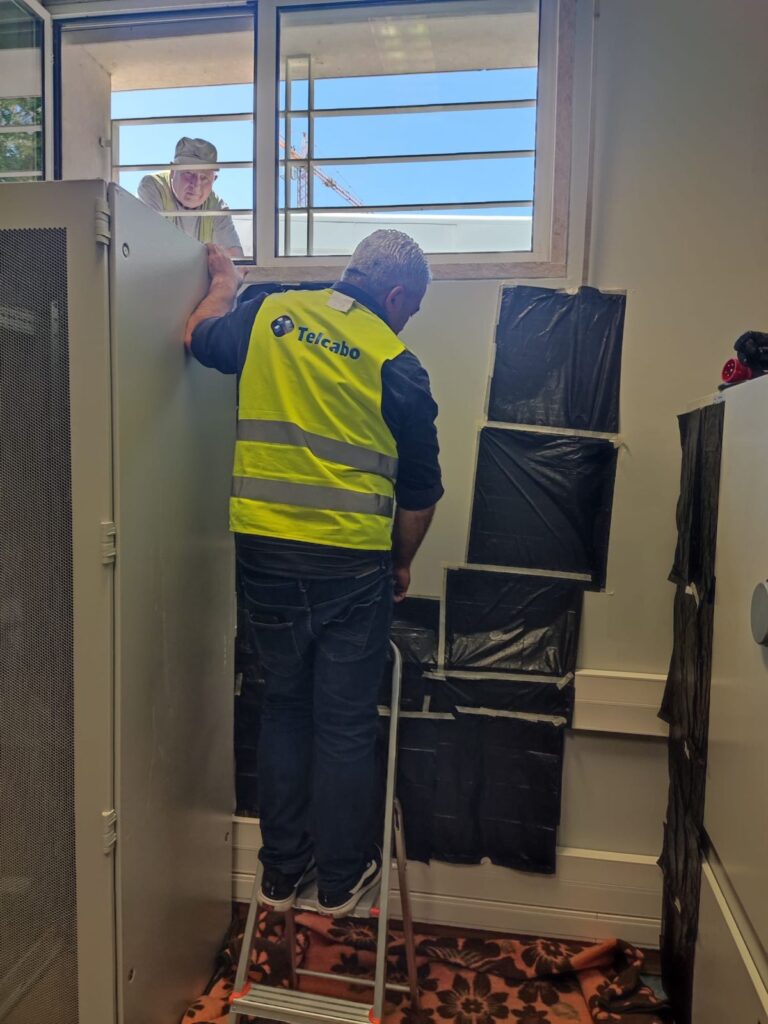
Led by Full Professor Adolfo Cartaxo, Director of IT-IUL and principal investigator of the project, and co-led by Associate Professors Tiago Alves and João Rebola, the LUMIRing testbed will serve as a breakthrough demonstrator for advanced MCF-based systems and applications.
World-first features and unprecedented scale
The LUMIRing ring includes:
- A 144-fiber cable containing 74 strands of multicore fibers (MCF) — the longest terrestrial span of deployed MCF ever reported.
- Over 1,900 km of fiber across five distinct MCF types, including 4- and 7-core configurations.
- The first MCF deployment in a mechanically demanding setting like a metro tunnel.
- A cable entirely designed, manufactured, and installed in Europe, with critical contributions from partners in Portugal, Germany, and Italy.
This deployment underscores the technical maturity of multicore fiber technology and its readiness to transition from laboratory environments into real-world infrastructure.
A platform for innovation and collaboration
More than just a testbed, LUMIRing is envisioned as an open-access platform to enable national and international collaboration. It aims to:
- Facilitate the testing of novel MCF solutions under real operational conditions.
- Serve as a hub for intersectoral and interdisciplinary research, enhancing the expertise of European stakeholders and contributing to the global telecom ecosystem.
- Act as a launchpad for innovation, supporting intellectual property generation, and standardization efforts in next-generation optical technologies.
Through its collaborative model, LUMIRing brings together academic institutions, industrial partners, and public infrastructure players. Confirmed collaborators include Metropolitano de Lisboa (Portugal), Heraeus Comvantics (Germany), and Tratos Cavi (Italy), whose support has been vital in the design, supply, and deployment of the MCF infrastructure.
A vision aligned with Europe’s digital future
As the telecom sector embraces digital transformation and AI integration, the LUMIRing project is set to play a strategic role. It will provide a real-time, scalable test environment for advanced data transmission and sensing technologies, fostering next-generation telecom systems and boosting Europe’s competitive edge in the fiber optics market.
Next steps
With the physical infrastructure now underway, the next phases will include testing, validation, and real-time experimentation involving diverse MCF configurations and network architectures. The project’s findings will be openly shared with the scientific and industrial communities, reinforcing the open-access and collaborative values that define the LUMIRing initiative.
📡 For collaboration opportunities or technical inquiries get in touch with us.
Funding


